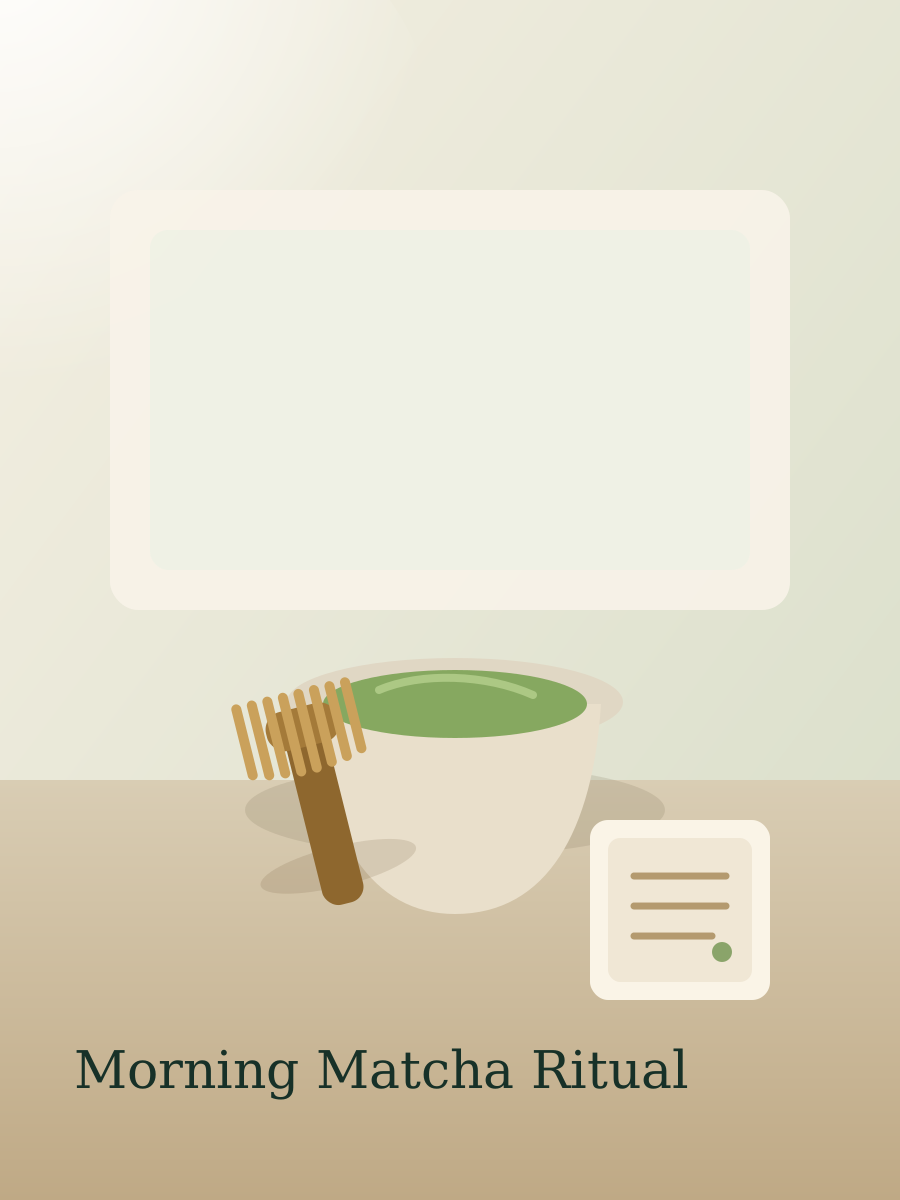
Matcha
For mornings that deserve beauty, focus and a ritual worth waking up for.
Rare Japanese tea rituals for modern lives: luminous Matcha from Yame, refined Sencha from Sayama, and comforting Sayama Hojicha. A meeting of Japanese craft and Copenhagen calm — curated for people who want beauty they can taste, stillness they can feel, and a ritual worth returning to.
“Luxury is not excess. It is the rare feeling that nothing is missing.”
NORD & CHA brings together two celebrated Japanese tea landscapes and one Nordic way of living. Yame gives us Matcha with depth and refinement. Sayama gives us Sencha and Hojicha shaped by a cooler climate and a distinctive tea-making tradition. Copenhagen gives the ritual a modern home: quiet design, warm light, conversation and the art of enough.
Fukuoka tea heritage, patient cultivation, refinement and a long tradition of high-quality shaded tea.
Cool-climate tea, rich taste, thick leaves and the distinctive finishing tradition known as Sayama-biire.
Hygge, functional beauty, clean design and the quiet luxury of a well-made everyday life.
A pause you can taste — vivid Yame Matcha, lucid Sayama Sencha and roasted Sayama Hojicha.
The collection is meant to be seen, felt and imagined in real life — in the first light of morning, beside thoughtful work, and at the quiet close of the day.
For mornings that deserve beauty, focus and a ritual worth waking up for.
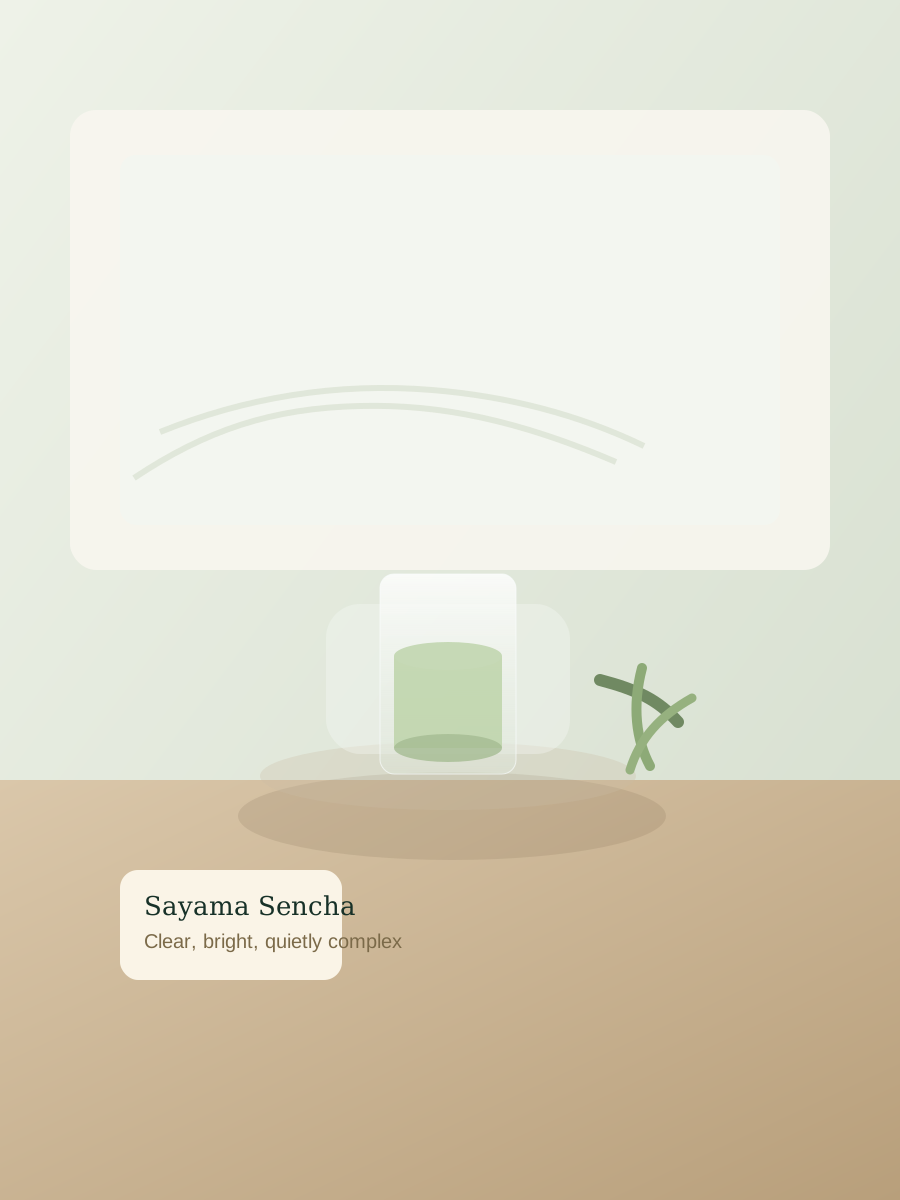
For lucid afternoons, elegant work sessions and the pleasure of clean simplicity.
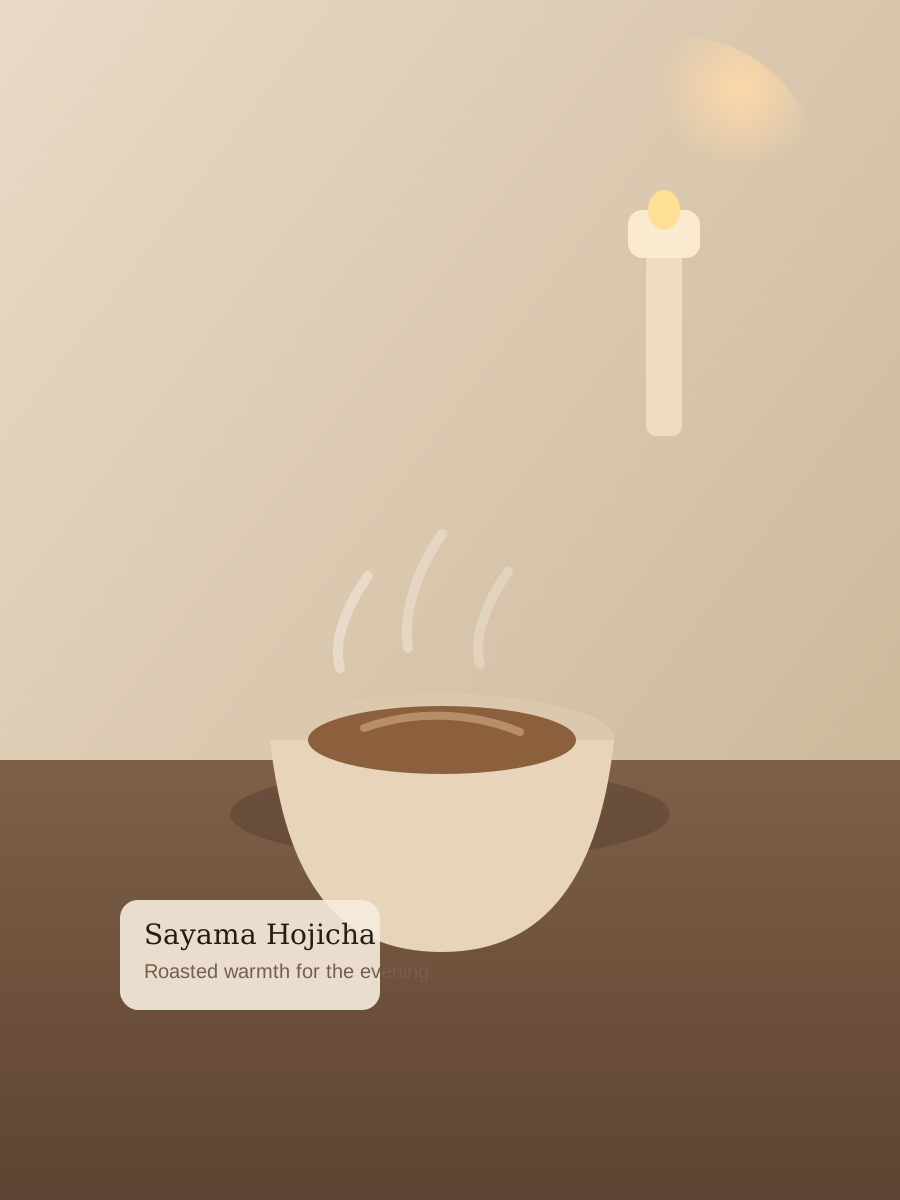
For softer evenings, amber light and the feeling of finally returning home to yourself.
The collection is designed as a day in three movements: Yame Matcha for a focused beginning, Sayama Sencha for a lucid afternoon, and Sayama Hojicha for a warm descent into evening. Each tea has a place, a mood and a reason to be reached for again tomorrow. Ask for the current batch, origin and preparation guidance before ordering.
Velvety, umami-forward and made for the moment when you stop consuming the morning and begin inhabiting it.
Bright, clean and quietly complex — a transparent cup for desk-side focus, conversation or a Copenhagen afternoon.
Toasty, comforting and contemplative. The tea equivalent of amber light, wool, rain on the window and nowhere else to be.
A professional once measured the morning in notifications. Then the kettle began to dictate the pace. Water. Bowl. Whisk. Ten quiet breaths. Nothing dramatic happened — and that was the point. In Japanese aesthetics, ma is the meaningful interval. In Copenhagen, a winter window can offer the same thing: room enough to hear your own mind.
The Danish table does not need to be extravagant to feel abundant. One candle. One cup. One person who is actually present. Sayama Sencha becomes an invitation to notice the second steep: softer, different, still valuable. A reminder that a second chapter of life need not imitate the first to be rich. The cup is simple; what it gives back is attention.
Sayama Hojicha arrives without theatre. Its roasted aroma fills the room before the first sip. The day has asked enough questions. The cup asks only one: can this moment be sufficient? Japanese wa evokes harmony; Danish hygge makes harmony domestic. Between them sits a tea you may begin craving not for stimulation, but for the feeling of coming home.
Luxury becomes convincing when the story has roots. Yame and Sayama are not decorative names on a label: they are tea-growing places with distinct histories, climates and craft traditions.
Fukuoka celebrates more than 600 years of Yame tea heritage. The region is widely associated with high-quality tea and shaded-tea craftsmanship. Our Matcha begins there — chosen for the moments when you want the day to start with colour, texture, concentration and ceremony.
Sayama sits in one of Japan’s cooler tea-growing areas. Official local sources describe thicker leaves, rich body and the distinctive finishing technique known as Sayama-biire. It gives the Sencha story a fitting character: clarity with substance, elegance with depth.
Hojicha takes the collection into warmth. Sourced from Sayama and roasted into its own comforting style, it carries the region’s affinity for fire, flavour and depth into an evening cup that feels almost architectural: clean lines, warm material, no excess.
The Japanese tea meets a Nordic setting: clear glass, pale wood, stoneware, winter light, a notebook, a candle. That meeting is the heart of NORD & CHA — not copying a ceremony, but creating a respectful contemporary ritual you will actually live.
Sometimes, yes. The word “matcha” alone does not guarantee quality. Origin, cultivar, shading, harvest, milling, storage and freshness all matter. This is why our Matcha is presented with its Yame origin and why you can ask for the exact current batch before deciding.
Because NORD & CHA is curated by character, not by forcing every tea under one origin story. Yame brings a celebrated heritage of refined and shaded teas. Sayama is known for rich taste, cooler-climate leaves and its distinctive finishing tradition. Each tea is allowed to come from the place that best fits the experience we want to offer.
If tea is only hot water plus leaves, perhaps not. But premium tea is an agricultural and crafted product: region, weather, leaf quality, processing, freshness and preparation all shape the cup. When the tea becomes a daily ritual, the value is experienced repeatedly rather than consumed once.
You do not need to be a tea expert. We can guide you with a simple starting method — amount, water temperature, steeping time and the few tools that actually matter. The ritual should make life feel easier and more beautiful, not more complicated.
You do not need to abandon coffee. Tea can occupy a different moment: Matcha when you want a deliberate morning ritual, Sencha when you want a clean afternoon cup, and Hojicha when you want warmth without the emotional heaviness of another coffee. The point is not replacement. It is range.
Then do not begin with ideology — begin with taste. Matcha is creamy and umami-forward, Sencha is fresh and structured, and Hojicha is roasted, nutty and gentle in character. A tasting set or a single carefully chosen tea is the easiest way to discover which one belongs in your life.
They often can be. Green tea naturally contains caffeine and polyphenols such as catechins, but reputable health authorities are appropriately cautious about broad disease-prevention claims. We sell these teas for quality, sensory pleasure, ritual and the way a deliberate pause can improve the experience of a day — not as medicine.
Because the only way to know whether a tea belongs in your life is to taste it. Waiting does not improve the first cup. Tea is agricultural, current batches and availability change, and a small ritual can begin immediately. If one of these teas already makes you imagine tomorrow morning or tonight differently, that feeling is useful information. Act on it while the desire is alive.
Tell us what you want more of — a calm morning, focused work, a refined afternoon, a warm evening, or a thoughtful gift. We will recommend the simplest tea to begin with: Yame Matcha, Sayama Sencha, Sayama Hojicha, or a tasting selection.
Personal guidance · Copenhagen-based · Current batch and availability confirmed before purchase
The romance of tea is more compelling when it stands on real places, documented traditions and transparent claims. These sources support the provenance story behind Yame and Sayama and provide cautious context for general green-tea information.
Fukuoka describes Yame tea through more than 600 years of history, tradition and quality, with the region long recognized for high-quality tea craftsmanship.
Open official source ↗Japan’s Ministry of Agriculture documents the Yame region’s shaded-tea tradition, strong umami, mellow character and production methods passed down for more than 110 years.
Open official source ↗Saitama describes Sayama-cha as a sophisticated regional tea whose rich taste is shaped by integrated cultivation, roasting, production and distribution.
Open official source ↗The city explains how a cool climate contributes to thicker leaves and rich body, and how the distinctive Sayama-biire finishing technique forms part of the region’s tea identity.
Open official source ↗Saitama’s Tea Research Institute documents Sayama as a northern tea-growing region and describes the sweet, rich taste associated with its climate and finishing methods.
Open official source ↗The U.S. National Center for Complementary and Integrative Health summarizes what is known — and what remains uncertain — about green tea and health.
Open health authority ↗
Choose one. The buttons below prepare a simple enquiry — no checkout, no hidden commitment.
We will confirm current stock, price, exact tea origin and batch details, preparation guidance, and the best way to begin before you decide.